PONARS Eurasia
  • About Us
    • Contact Us!
    • Membership
      • All Members
      • Core Members
      • Collegium Members
      • Associate Members
      • About Membership
    • Our Ukraine Experts
    • Executive Committee
  • Our Ukraine Experts
  • Policy Memos
    • List of Policy Memos
    • PONARS Eurasia’s Newest eBooks
    • Submissions
  • Online Academy
  • Events
    • Past Events
  • Recommended
  • Task Forces
    • Ukraine
      • PONARS Ukraine Task Force: Incontrovertible Truths
    • Amplifying Voices of Europe, the Caucasus, and Central Asia (AVECCA)
    • Russia in a Changing Climate
  • Podcasts
Contacts

Address
1957 E St NW,
Washington, DC 20052

[email protected]
202.994.5915

NEWSLETTER
Facebook
Twitter
YouTube
Podcast
PONARS Eurasia
PONARS Eurasia
  • About Us
    • Contact Us!
    • Membership
      • All Members
      • Core Members
      • Collegium Members
      • Associate Members
      • About Membership
    • Our Ukraine Experts
    • Executive Committee
  • Our Ukraine Experts
  • Policy Memos
    • List of Policy Memos
    • PONARS Eurasia’s Newest eBooks
    • Submissions
  • Online Academy
  • Events
    • Past Events
  • Recommended
  • Task Forces
    • Ukraine
      • PONARS Ukraine Task Force: Incontrovertible Truths
    • Amplifying Voices of Europe, the Caucasus, and Central Asia (AVECCA)
    • Russia in a Changing Climate
  • Podcasts
DIGITAL RESOURCES
digital resources

Bookstore 📚

Knowledge Hub

Course Syllabi

Point & Counterpoint

Policy Perspectives

RECOMMENDED
  • Misconceptions about Eastern Europe, the Caucasus, and Central Asia and Their Impact on Policy

    View
  • Five Years into the War, Ukraine Is Showing Grittiness, Rebounding Confidence in War Fortunes

    View
  • Russia’s Wartime Internet: A Contested Space with the Regime Still Predominant

    View
  • Why Georgians Need to Take Hungarian Lessons

    View
  • The ‘Don’t Lose Lukashenko’ Approach: Kyiv’s (Non-) Strategic Ambiguity Toward the Belarusian Opposition

    View
RSS PONARS Eurasia Podcast
  • The Putin-Xi Summit: What's New In Their Joint Communique ? February 23, 2022
    In this week’s PONARS Eurasia Podcast, Maria Lipman speaks with Russian China experts Vita Spivak and Alexander Gabuev about the February meeting between Vladimir Putin and Xi Jinping, and what it may tell us about where the Russian-Chinese relationship is headed.
  • Exploring the Russian Courts' Ruling to Liquidate the Memorial Society January 28, 2022
    In this week’s PONARS Eurasia Podcast, Maria Lipman chats with scholars Kelly Smith and Benjamin Nathans about the history, achievements, and impending shutdown of the Memorial Society, Russia's oldest and most venerable civic organization, and what its imminent liquidation portends for the Russian civil society.
  • Russia's 2021 census and the Kremlin's nationalities policy [Lipman Series 2021] December 9, 2021
    In this week’s PONARS Eurasia Podcast, Maria Lipman chats with social scientist Andrey Shcherbak about the quality of the data collected in the recent population census and the goals of Vladimir Putin's government's nationalities policy
  • Active citizens of any kind are under threat [Lipman Series 2021] November 5, 2021
    In this week’s PONARS Eurasia Podcast, Maria Lipman chats with Alexander Verkhovsky about the Kremlin's ever expanding toolkit against political and civic activists, journalists, and other dissidents.
  • Russia's Legislative Elections followup [Lipman Series 2021] October 4, 2021
    In this week’s PONARS Eurasia Podcast, Maria Lipman chats with Tanya Lokot and Nikolay Petrov about the results of Russia’s legislative elections and about what comes next.
  • Why Is the Kremlin Nervous? [Lipman Series 2021] September 14, 2021
    In this week’s PONARS Eurasia Podcast, Maria Lipman chats with Ben Noble and Nikolay Petrov about Russia’s September 17-19 legislative elections, repressive measures against electoral challengers, and whether to expect anything other than preordained results.
  • Vaccine Hesitancy in Russia, France, and the United States [Lipman Series 2021] August 31, 2021
    In this week's PONARS Eurasia Podcast episode, Maria Lipman chats with Denis Volkov, Naira Davlashyan, and Peter Slevin about why COVID-19 vaccination rates are still so low across the globe, comparing vaccine hesitant constituencies across Russia, France, and the United States.  
  • Is Russia Becoming More Soviet? [Lipman Series 2021] July 26, 2021
      In a new PONARS Eurasia Podcast episode, Maria Lipman chats with Maxim Trudolyubov about the current tightening of the Russian political sphere, asking whether or not it’s helpful to draw comparisons to the late Soviet period.
  • The Evolution of Russia's Political Regime [Lipman Series 2021] June 21, 2021
    In this week's episode of the PONARS Eurasia Podcast, Maria Lipman chats with Grigory Golosov and Henry Hale about the evolution of Russia's political regime, and what to expect in the lead-up to September's Duma elections.
  • Volodymyr Zelensky: Year Two [Lipman Series 2021] May 24, 2021
    In this week's episode of the PONARS Eurasia Podcast, Maria Lipman chats with Sergiy Kudelia and Georgiy Kasianov about Ukrainian President Zelensky's second year in office, and how he has handled the political turbulence of the past year.
  • Commentary | Комментарии

Собчак против Ленсовета: региональный авторитаризм и его конкуренты

  • April 3, 2015
  • Vladimir Gel'man

Ровно 25 лет назад начала свою работу первая сессия демократически избранного Ленинградского городского совета двадцать первого созыва (последнего в его истории – совет был распущен по указу Ельцина в 1993 году). Его опыт сегодня почти забыт, хотя он может служить весьма поучительным case study для политологов.

Хотя на выборах большинство из 400 мандатов получила довольно пестрая коалиция, выступавшая под демократическими лозунгами, никакой организованной силы за ними не стояло. Среди демократов выделялись две группы, ориентировавшиеся на наиболее известных тогдашних лидеров – Марину Салье и Петра Филиппова, но немалая часть депутатов были "сами за себя". В такой ситуации уйма времени уходила на решение процедурных и организационных вопросов, транслировавшиеся по ТВ сессии горсовета подчас напоминали сцены из фильма Рязанова "Гараж", выборы председателя оказались заблокированы. По инициативе ряда депутатов (не только городских, но и народных депутатов РСФСР и СССР) было решено прибегнуть к старинному средству – призвать в качестве лидера "варяга". В этой роли выступил самый популярный на тот момент питерский политик – Анатолий Собчак. В мае 1990 года на повторных выборах он стал депутатом, и вскоре оказался избран на пост председателя горсовета.

Собчак не был плохим председателем. Он был очень плохим председателем. Яркий оратор, Собчак не умел руководить коллективной деятельностью, не был склонен к повседневной работе day-by-day (да и вообще не любил рутины), вместо ведения заседаний произносил длинные монологи, но главное – не уважал работавших рядом с ним коллег и не мог примириться с тем, что председатель совета – это не Самый Главный Начальник надо всеми депутатами, а не более чем ведущий заседаний, организующий текущую деятельность коллективного органа власти. Неудивительно, что с первого же дня пребывания на посту председателя Собчак вступил в конфликт со значительной частью коллег по Ленсовету.

Противостояние Собчака и Ленсовета служило зримым конфликтом харизматической и рационально-легальной легитимности. Главным орудием Собчака была его публичная известность, и в многочисленных выступлениях и интервью он легко списывал все огрехи городского управления на "мешающих" ему депутатов, требуя расширения своих полномочий – широкая публика ему верила. Депутаты, в свою очередь, поняли, что единственное доступное им средство в противостоянии – это самоорганизация, работающий регламент, и четкие "правила игры". Былые распри не то чтобы остались забыты, но ушли на второй план: общий враг в лице Собчака сплотил депутатский корпус. В 1991 году Собчак добился создания в городе поста мэра и успешно был на него избран. Но свою деятельность он по-прежнему мог осуществлять в пределах тех правил, которые устанавливал горсовет. Собчак хотел, например, произвольно распределять городскую недвижимость – совет принимал правила, предписывавшие производить эти сделки на конкурсной основе. Собчак игнорировал эти (и другие) решения депутатов – совет с ним судился (и выигрывал суды). Создать свою "группу поддержки" в совете Собчак так и не смог (да и не очень стремился), а харизма его со временем тускнела (к 1996 году, когда Собчак проиграл выборы мэра, она угасла насовсем), Но и срок жизни совета оказался отмерен сроками разрешения конфликта между Ельциным и Верховным Советом: воспользовавшись ситуацией после октября 1993 года, Собчак добился подписания президентского указа о роспуске ненавистного ему совета (пришедшее ему на смену в 1994 году Законодательное собрание СПб в итоге оказалось не намного более лояльным мэру).

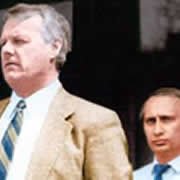
Собчак, похоже, так и не извлек уроки из своего противостояния с депутатами… впрочем, его тогдашний заместитель, Владимир Путин, которому приходилось вступать в переговоры с депутатами от имени своего патрона, эти уроки выучил назубок. В период его правления парламентская автономия – и в стране в целом, и в ее регионах – была уничтожена на корню. Но это уже совсем другая история…
Читать статью | © Блог Владимира Гельмана

Related Topics
  • Гельман
  • Путин
Previous Article
  • In the News | Hовости

Конгрессмен Торнберри предупредил Россию о возможности усиления санкций

  • April 3, 2015
  • Oleksandr Sushko
View
Next Article
  • In the News | Hовости

Petrov: The Kremlin he wanted a blocking stake in Ukraine or a manageable conflict

  • April 6, 2015
  • PONARS Eurasia
View
You May Also Like
View
  • Commentary | Комментарии
  • Recommended | Рекомендуем

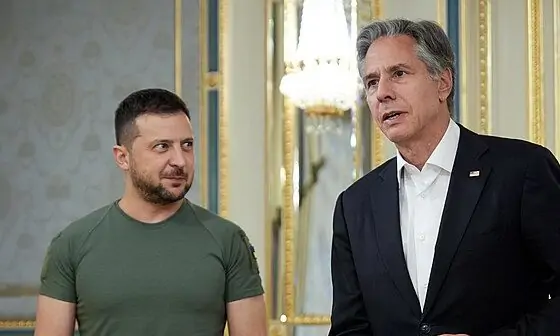
Clearing the Air: Secretary Blinken Visits Ukraine

  • Volodymyr Dubovyk
  • September 19, 2023
View
  • Commentary | Комментарии
  • Recommended | Рекомендуем

Ensuring Genuine Results? A New Electoral Design in Uzbekistan

  • Akrom Avezov
  • May 19, 2023
View
  • Commentary | Комментарии
  • Recommended | Рекомендуем

Ukraine, Taiwan, and Macron’s “Strategic Autonomy”

  • Maurizio Delli Santi
  • April 30, 2023
View
  • Commentary | Комментарии
  • Recommended | Рекомендуем

Russia’s Regional Governors: Backing the War, Upholding the Status Quo

  • Irina Busygina and Mikhail Filippov
  • April 7, 2023
View
  • Commentary | Комментарии
  • Recommended | Рекомендуем

The Desire to Possess: Russia’s War for Territory

  • Irina Busygina
  • February 8, 2023
View
  • Commentary | Комментарии
  • Recommended | Рекомендуем

Kyiv-Washington Relations in Times of Colossal War: The Ultimate Test of a Strategic Partnership

  • Volodymyr Dubovyk
  • January 11, 2023
View
  • Commentary | Комментарии
  • Recommended | Рекомендуем

Prevailing Soviet Legacies

  • Irina Busygina and Mikhail Filippov
  • December 27, 2022
View
  • Commentary | Комментарии
  • Recommended | Рекомендуем

In Russia’s Nuclear Messaging to West and Ukraine, Putin Plays Both Bad and Good Cop

  • Simon Saradzhyan
  • December 23, 2022

Leave a Reply Cancel reply

Your email address will not be published. Required fields are marked *

PONARS Eurasia
  • About Us
  • Membership
  • Policy Memos
  • Recommended
  • Events
Powered by narva.io

Permissions & Citation Guidelines

Input your search keywords and press Enter.