Image credit/license
The 2022 invasion of Ukraine has reshaped the security landscape of Europe, exposing Moscow’s renewed imperial ambitions and its subversive campaigns against Western countries. Yet, amid this upheaval, the activities of foreigners fighting for Ukraine—and their status and fate after the war—have largely escaped the attention of Western governments and intelligence agencies. These foreign volunteers, fueled by strong anti-Kremlin beliefs, have gone through Ukraine’s vetting process and been integrated into the Ukrainian armed forces. Consequently, the threat to Western security and risk of blowback are seen as minimal.
This memo examines the postwar security challenges posed by both Western and non-Western fighters in Ukraine. Shifting the focus from ideology, which was at the center of Western efforts to deal with foreigners who had fought for Islamic State (IS), it highlights the Ukraine-specific conditions that heighten the risk of radicalization among foreign fighters there, including the lack of reintegration programs, the prospect of quasi-statelessness for many, newly acquired skills—especially in the use of unmanned aerial vehicles (UAVs)—and the influence of extremist factions in the ranks of volunteers.
Foreign Fighters in Ukraine: Opaque Numbers, Non-Westerners Making Bigger Impact
In February 2022, Ukrainian President Volodymyr Zelensky called on foreign volunteers with military experience to join the newly created Ukrainian foreign legion to fight against Russian forces. Unlike in 2014-2015, Kyiv targeted primarily former professional soldiers and insurgents who had previously fought against Moscow in other conflicts.
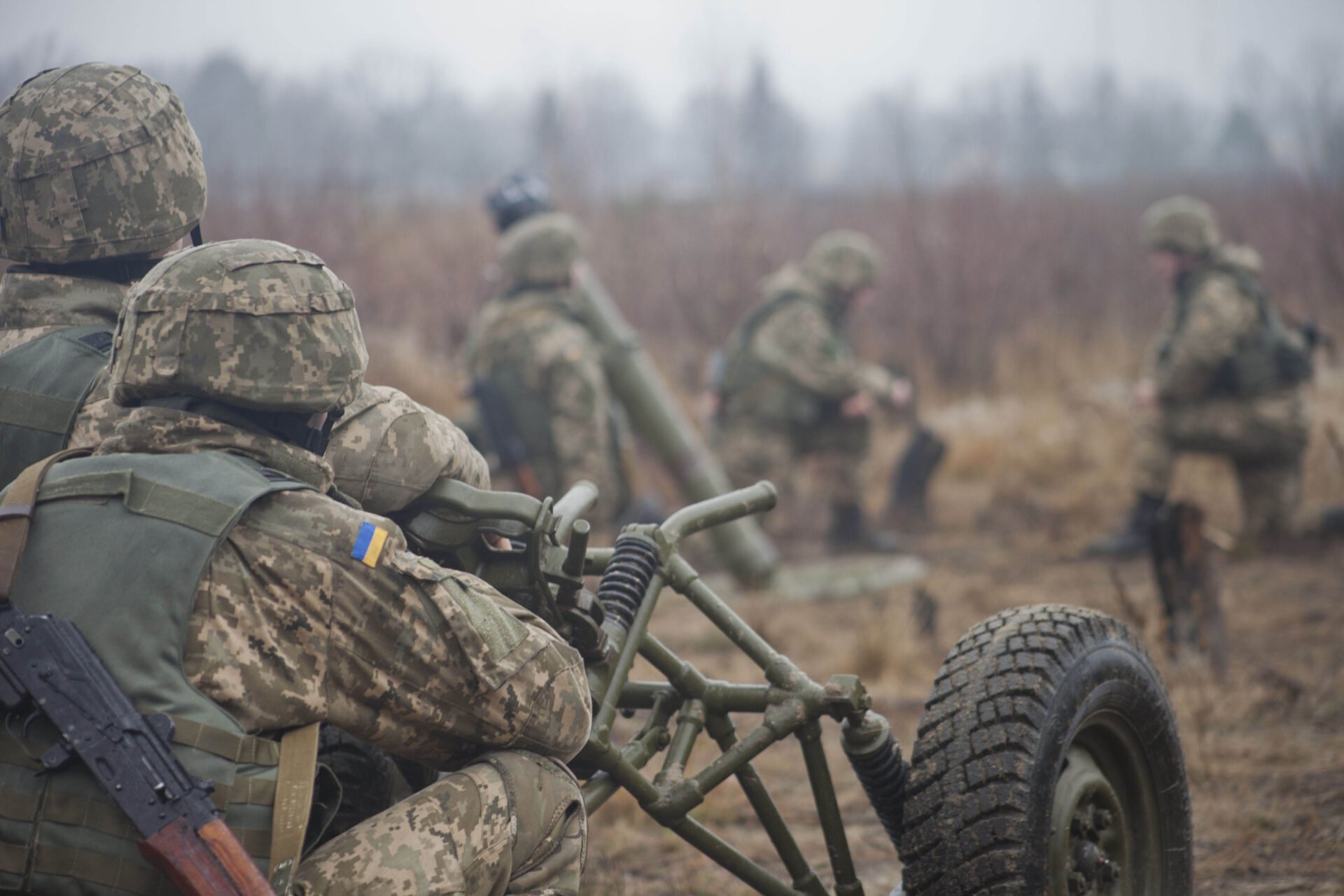
Although the Ukrainian government claims to have recruited over 20,000 foreign volunteers, current independent estimates suggest that only a few thousand may have actually heeded Zelensky’s call. These figures, however, are hard to verify, since they are based on fragmented information from journalistic reports, social media activity, and obituaries in volunteers’ home countries. For comparison, during the 2014-2015 Donbas war, around 2,000 foreign fighters fought for Ukraine, although the geopolitical context and the Ukrainian recruitment process at the time differed considerably.
Volunteers from across the post-Soviet region—in particular, Chechnya, Belarus, and Georgia—comprise most of the foreigners currently fighting for Ukraine, with many joining preexisting militias (formed in 2014-2015 and later integrated into Ukraine’s army). Their long-standing ties with the Ukrainian military, combined with their strong anti-Russian stance, have made them a lethal force and threat to Russia.
Westerners with military experience have joined the Ukrainian International Legion and the Georgian National Legion, as well as national-based groups like the French-Canadian Norman Brigade. Motivated primarily by geopolitical and humanitarian concerns, they have demonstrated a generally less intense ideological commitment than their non-Western counterparts. Although their contribution to the Ukrainian war effort has been limited, Western combatants have participated in key operations, including the defense of Bakhmut and raids into Russia’s Belgorod Region. They have frequently moved between units and collaborate with various ideological groups, including the Islamist Sheikh Mansur Battalion and the far-right Freedom of Russia Legion.
New Military Skills Mean New Challenges for International Security
Current research on foreign fighters in Ukraine has focused mostly on their motivations and their role in the war while generally ignoring the question of the post-conflict environment and challenges faced by Ukraine and Western countries.
In past conflicts, returning ideologically motivated foreign fighters, such as jihadists who fought in Afghanistan and Syria, have posed a serious security threat to Western countries. Their newly acquired military skills, extensive networks of like-minded individuals, and ideological indoctrination set the stage for major terrorist attacks, including 9/11 and the November 2015 Paris attacks. Foreigners that have fought in Ukraine present a different threat to Western security, owing to their drastically different ideological motivations compared with those of previous cohorts of returnees.
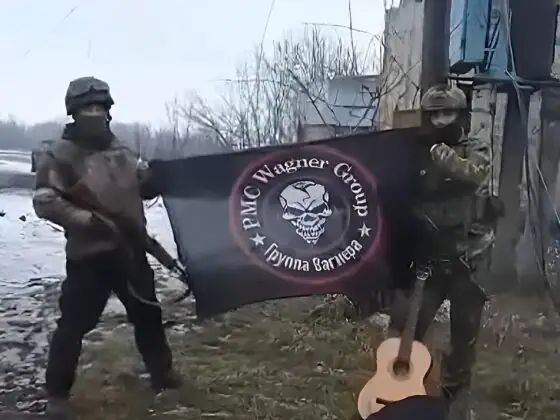
Although foreign fighters in Ukraine are often ideologically pro-Western, their overall war experience creates various psychosocial and relational vulnerabilities that could translate into violent extremism upon their return home. The Ukraine conflict has produced a motley alliance of anti-Kremlin groups, where former jihadists, criminal organizations, nationalist factions, and far-right and white supremacist groups are temporarily united by a shared hatred for Russian power and Vladimir Putin’s regime. Even nonideological volunteers are exposed to various extremist ideologies and collaborate with individuals who hold extremist views, which increases the risk of ideological transformation and sudden radicalization. Furthermore, foreign fighters in Ukraine are not immune to ideological one-eighties, as exemplified by John McIntyre, a U.S. veteran who initially fought for Ukraine before defecting to Russia in March 2023.
In addition, the rapid technological changes on the Ukrainian battlefield have begotten a new generation of highly lethal drone operators, who target military objectives with first-person view (FPV) commercial UAVs like the DJI Mavic, as well as FPV kamikaze drones. Online videos published by foreign units in Ukraine highlight their tremendous skill at striking enemies in tunnels, trenches, and buildings, as well as dropping cluster bombs, hand grenades, thermite, and improvised munitions. The proliferation of 3D printing in Ukraine has further enhanced the effectiveness and lethality of commercial drones, enabling the design of bomb casings specific to certain explosive devices and drop systems. Together with wartime advancements in 3D printing and expertise around it, these FPV operators could be used in terrorist attacks in Western countries or on future foreign battlefields where Western troops are engaged in counterinsurgency operations.
Despite the anti-Kremlin stance and positive view of the West shared by both Western and non-Western fighters, their experiences in Ukraine, the fluid operational context, and the situation in their home countries make them susceptible to radicalization and violence in different ways post-war. Understanding the unique challenges faced by each group is crucial for developing strategies to mitigate the long-term security risks for Western nations.
Western Fighters: The Perils of Returning Home Without Support or Glory
Compared to the massive attention the war in Ukraine has attracted, the issue of Western fighters has remained overlooked. Few Western governments have systematically tracked the number of volunteers or their activities in Ukraine. Although both the U.S. and Canada have discouraged their nationals from fighting in the war, neither country has criminalized doing so, as they did, for example, in relation to terrorist groups in Syria and Iraq.
For Western fighters, who are generally free to return home without facing prosecution—unless they are implicated in war crimes or crimes against humanity—reintegration represents a complex and challenging process. Indeed, this is a blind spot in the Ukraine war and the social policies of Western governments.
In recent years, most Western nations have implemented rehabilitation and reintegration programs for individuals returning from Syria, particularly families and children coming from camps in the country’s north. These programs, led by multidisciplinary teams of psychologists, social workers, and legal experts, focus on deradicalization, trauma recovery, social reintegration, and children’s basic needs, in addition to monitoring returnees. A key objective is to resocialize and support young children born in Syria during the civil war and exposed to prolonged trauma.
Immediately upon repatriation, most returnees are placed in these programs, which are meant to address challenges such as limited education, deep psychological wounds, and the heightened risk of recidivism and radicalization. However, the situation with Western fighters in Ukraine presents a different political context, potentially complicating such multidisciplinary efforts.
Repatriation and resettlement of foreign fighters from Ukraine will be managed largely by the fighters themselves, rather than by governments or nongovernmental agencies. Unlike the structured reintegration seen elsewhere, multidisciplinary teams are unlikely to be readily available upon the return of Ukraine volunteers, and psychosocial services will be provided only if requested or if existing programs identify individuals as needing help. With limited resources and a lack of securitization around their status, many combatants’ basic needs are likely to go unmet.
In lieu of a coordinated, integrated response, reintegration looks set to occur piecemeal, relying heavily on local communities and front-line services. This case-by-case approach will likely result in suboptimal care, meaning inadequate support and serious trauma going unaddressed. Moreover, local authorities and reintegration programs may remain unaware of Ukraine volunteers’ war experiences and the extent of their suffering. Thus, they are likely to be socially isolated and denied the recognition and financial compensation that professional soldiers receive after serving their countries.
Without dedicated reintegration programs in Western countries for fighters returning from Ukraine, the risk of radicalization and violence appears rather high. The war experience in Ukraine has differed substantially from previous battlefields like Afghanistan, Syria, and Iraq. Trench warfare, intense artillery bombardments, and the constant threat of FPV drones have created an especially traumatic environment. Many Western fighters have spoken about the severe mental health challenges they faced in Ukraine. Already dealing with old trauma from prior military service, these fighters often return home with little support or recognition, left to manage the psychological impact of the war on their own.
If untreated, post-traumatic stress disorder from Ukraine could become a serious issue for returnees. Although these veterans are generally not ideologically inclined against the West, the current situation creates opportunities for terrorist organizations to influence returnees by preying on their individual and psychological vulnerabilities, as seen in other post-conflict settings, including among U.S. veterans of the Iraq and Afghanistan wars. Other Western fighters in Ukraine may cope after the war by traveling to other conflict zones as mercenaries or volunteers, or by resorting to self-medication.
Non-Western Fighters: No Way Back Home, No Protection from Russian Revenge
In the case of non-Western fighters, such as Belarusian and Russian citizens, individuals who have fought for Ukraine face prosecution in their home country and the inability to renew their travel documents—in other words, they have nowhere to go after the war. Previous armed conflicts with a heavy presence of foreign fighters such as Bosnia-Herzegovina, Chechnya, and Afghanistan have shown that, post-conflict, the only avenues available for them are further militancy, private military forces, and criminality.
Rarely do host countries legalize the status of foreign combatants, usually forcing them into a life in exile outside of the law. Ukraine has taken the first steps toward legalizing the status of some individuals, yet the 2014-2015 war in the Donbas highlights just how precarious the situation of foreign fighters in a postwar setting can be. In 2019, for example, a former Ingush volunteer, Timur Tumgoev, was deported to Russia by Ukraine and tortured in Russian custody. Meanwhile, the new legalization process is tedious, and many fighters have so far been unable to secure the required paperwork from their home countries to obtain Ukrainian citizenship.
The inability to return home, combined with the lack of valid travel documents, may push fighters to seek asylum in Western countries. This situation presents an additional layer of challenges for intelligence agencies and intervention programs responding to the war in Ukraine. The precedents of the Chechnya and Bosnia-Herzegovina wars have shown the destabilizing long-term effects of demobilized fighters in diaspora communities.
The Kremlin has dedicated extensive resources to identifying and tracking foreign fighters, often with the collaboration of their home states. It has put many on its wanted list for terrorism, including members of the Georgian National Legion. Although future deportation to Russia appears very unlikely for now, peace negotiations and international pressure often jeopardize the status of foreign fighters, like in Bosnia-Herzegovina and Sudan in the 1990s. Countries that are friendly toward Russia, such as Georgia, might agree to extradite some returning fighters. Indeed, Georgia arrested on terrorism charges volunteers returning home in July 2024.
Furthermore, Russia has signaled its intention to track down and kill foreign fighters who fought for Ukraine. Recent history shows these are not empty threats: Moscow has funded death squads to target former insurgents, exiles, and opposition figures across Europe, with the assassination plots against Adam Osmayev in Ukraine (2017) and Zelimkhan Khangoshvili in Berlin (2019) underlining the commitment of the Russian security apparatus to targeting former fighters long after conflicts end. This threat now extends to all foreign fighters in Ukraine, and lists with their names are circulating in pro-Kremlin circles and on social media. Such transnational persecution will complicate fighters’ return to civilian life, exacerbating their mental distress.
Foreign Fighters Post-War: A Growing, Unaddressed Security Threat
Western officials should adopt a proactive approach to the security threat posed by foreign fighters in Ukraine without exaggerating the problem. To start with, they should learn from the experience of dealing with the contingent of foreigners who fought for IS. In the case of returnees from Syria and Iraq, Western countries, by focusing on ideological motivations, over-securitized the risk of potential terrorist attacks and implemented policies that prevented former fighters and so-called “extremist travelers” from returning home. This led to extensive human rights violations against individuals living in Kurdish camps in northwestern Syria, primarily affecting women and children. The emphasis on the threat from IS ideology obscured the growing danger created by the denial of basic human rights and the limited opportunities for reintegration.
The situation of foreign fighters in Ukraine appears markedly different. Since these combatants espouse an anti-Kremlin ideology and have not engaged in anti-Western activities, many governments have monitored neither the departure of their citizens for Ukraine nor what they are doing there. Western intelligence-gathering has been restricted largely to battlefield operations involving foreign fighters, such as in Kursk and Belgorod regions. The prevailing Western approach suggests that Western governments believe that most foreign fighters will not pose a security threat after the war.
This approach seems short-sighted, however, because it again puts the focus on ideology rather than the broader context of the war and the postwar experience. From both a counterterrorism and international crime perspective, the Western contingent in Ukraine represents an intelligence blind spot. Moreover, the lack of reintegration programs, together with the ambiguous legal status of many foreign volunteers, creates a conducive environment for terrorist organizations to recruit this generation of skilled fighters.
Even though expertise on foreign fighters and reintegration has advanced markedly in recent years, current programs and their funding are not optimized to address the specific vulnerabilities and challenges arising from the war in Ukraine. In addition, many programs are blind to the emerging problems, remaining focused primarily on upstream radicalization and returnees from Syria.
Jean-François Ratelle is an affiliated researcher and professor at the University of Ottawa.
Image credit/license