PONARS Eurasia
  • About Us
    • Contact Us!
    • Membership
      • All Members
      • Core Members
      • Collegium Members
      • Associate Members
      • About Membership
    • Our Ukraine Experts
    • Executive Committee
  • Our Ukraine Experts
  • Policy Memos
    • List of Policy Memos
    • PONARS Eurasia’s Newest eBooks
    • Submissions
  • Online Academy
  • Events
    • Past Events
  • Recommended
  • Task Forces
    • Ukraine
      • PONARS Ukraine Task Force: Incontrovertible Truths
    • Amplifying Voices of Europe, the Caucasus, and Central Asia (AVECCA)
    • Russia in a Changing Climate
  • Podcasts
Contacts

Address
1957 E St NW,
Washington, DC 20052

[email protected]
202.994.5915

NEWSLETTER
Facebook
Twitter
YouTube
Podcast
PONARS Eurasia
PONARS Eurasia
  • About Us
    • Contact Us!
    • Membership
      • All Members
      • Core Members
      • Collegium Members
      • Associate Members
      • About Membership
    • Our Ukraine Experts
    • Executive Committee
  • Our Ukraine Experts
  • Policy Memos
    • List of Policy Memos
    • PONARS Eurasia’s Newest eBooks
    • Submissions
  • Online Academy
  • Events
    • Past Events
  • Recommended
  • Task Forces
    • Ukraine
      • PONARS Ukraine Task Force: Incontrovertible Truths
    • Amplifying Voices of Europe, the Caucasus, and Central Asia (AVECCA)
    • Russia in a Changing Climate
  • Podcasts
DIGITAL RESOURCES
digital resources

Bookstore 📚

Knowledge Hub

Course Syllabi

Point & Counterpoint

Policy Perspectives

RECOMMENDED
  • Misconceptions about Eastern Europe, the Caucasus, and Central Asia and Their Impact on Policy

    View
  • Five Years into the War, Ukraine Is Showing Grittiness, Rebounding Confidence in War Fortunes

    View
  • Russia’s Wartime Internet: A Contested Space with the Regime Still Predominant

    View
  • Why Georgians Need to Take Hungarian Lessons

    View
  • The ‘Don’t Lose Lukashenko’ Approach: Kyiv’s (Non-) Strategic Ambiguity Toward the Belarusian Opposition

    View
RSS PONARS Eurasia Podcast
  • The Putin-Xi Summit: What's New In Their Joint Communique ? February 23, 2022
    In this week’s PONARS Eurasia Podcast, Maria Lipman speaks with Russian China experts Vita Spivak and Alexander Gabuev about the February meeting between Vladimir Putin and Xi Jinping, and what it may tell us about where the Russian-Chinese relationship is headed.
  • Exploring the Russian Courts' Ruling to Liquidate the Memorial Society January 28, 2022
    In this week’s PONARS Eurasia Podcast, Maria Lipman chats with scholars Kelly Smith and Benjamin Nathans about the history, achievements, and impending shutdown of the Memorial Society, Russia's oldest and most venerable civic organization, and what its imminent liquidation portends for the Russian civil society.
  • Russia's 2021 census and the Kremlin's nationalities policy [Lipman Series 2021] December 9, 2021
    In this week’s PONARS Eurasia Podcast, Maria Lipman chats with social scientist Andrey Shcherbak about the quality of the data collected in the recent population census and the goals of Vladimir Putin's government's nationalities policy
  • Active citizens of any kind are under threat [Lipman Series 2021] November 5, 2021
    In this week’s PONARS Eurasia Podcast, Maria Lipman chats with Alexander Verkhovsky about the Kremlin's ever expanding toolkit against political and civic activists, journalists, and other dissidents.
  • Russia's Legislative Elections followup [Lipman Series 2021] October 4, 2021
    In this week’s PONARS Eurasia Podcast, Maria Lipman chats with Tanya Lokot and Nikolay Petrov about the results of Russia’s legislative elections and about what comes next.
  • Why Is the Kremlin Nervous? [Lipman Series 2021] September 14, 2021
    In this week’s PONARS Eurasia Podcast, Maria Lipman chats with Ben Noble and Nikolay Petrov about Russia’s September 17-19 legislative elections, repressive measures against electoral challengers, and whether to expect anything other than preordained results.
  • Vaccine Hesitancy in Russia, France, and the United States [Lipman Series 2021] August 31, 2021
    In this week's PONARS Eurasia Podcast episode, Maria Lipman chats with Denis Volkov, Naira Davlashyan, and Peter Slevin about why COVID-19 vaccination rates are still so low across the globe, comparing vaccine hesitant constituencies across Russia, France, and the United States.  
  • Is Russia Becoming More Soviet? [Lipman Series 2021] July 26, 2021
      In a new PONARS Eurasia Podcast episode, Maria Lipman chats with Maxim Trudolyubov about the current tightening of the Russian political sphere, asking whether or not it’s helpful to draw comparisons to the late Soviet period.
  • The Evolution of Russia's Political Regime [Lipman Series 2021] June 21, 2021
    In this week's episode of the PONARS Eurasia Podcast, Maria Lipman chats with Grigory Golosov and Henry Hale about the evolution of Russia's political regime, and what to expect in the lead-up to September's Duma elections.
  • Volodymyr Zelensky: Year Two [Lipman Series 2021] May 24, 2021
    In this week's episode of the PONARS Eurasia Podcast, Maria Lipman chats with Sergiy Kudelia and Georgiy Kasianov about Ukrainian President Zelensky's second year in office, and how he has handled the political turbulence of the past year.
  • In the News | Hовости

Рейтинг Путина не соответствует действительности

  • February 4, 2015
  • Robert Orttung

(Washington Post) Эксперты объясняют, почему российский президент якобы до сих пор популярен, хотя и втянул страну в войну.

Рейтинг президент России Владимира Путина, похоже, не подчиняются законам "политической физики". Цена на нефть обвалилась до 50 долларов за баррель, что вызвало серьезные экономические трудности в России и рецессию. Но при этом рейтинг Путина странным образом превышает 80%.

"Но эти цифры не надо воспринимать как правду", – пишут на страницах Washington Post исполнительный директор Международного форума демократических исследований при Национальном фонде поддержки демократии США Кристофер Уокер и заместитель директора Института европейских, российских и евразийских исследований Университета Джорджа Вашингтона Роберт Орттунг.

По мнению экспертов, рейтинг Путина искусственный прежде всего потому, что он возник в условиях информационного вакуума. Кремль неофициально ввел цензуру, запрещая в СМИ обсуждать важные проблемы и подвергать сомнению правильность решений власти.

"Во-вторых, в условиях политических репрессий, которые проводит Путин, только очень смелые граждане бросают вызов режиму президента. 80-процентный рейтинг говорит лишь о том, что россияне боятся и не способны представить себе альтернативу Путину", – говорится в статье.

В-третьих, эксперты обращают внимание на рост уровня эмиграции в России с возвращением Путина на должность презиедента. При этом уезжают из страны хорошо образованные специалисты, которые "голосуют ногами".

Еще одним фактором искусственного рейтинга Путина авторы называют "диверсионную" деятельность российского президента, а именно попытки отвлечь внимание граждан от серьезных проблем в обществе посредством внезапных шагов. Одним из них стала оккупация Крыма.

Зато авторы считают, что усиление пропаганды, цензуры и репрессий против оппозиции свидетельствуют о том, что руссияне на самом деле не так уж и благосклонно относятся к Путину. Поэтому эксперты советуют не воспринимать серьезно "накрученный" рейтинг президента России. Ранее немецкое издание Der Spiegel писало, что Путин запутался в собственной лжи. Он начал обманывать общественность и лидеров других стран с 2012 года, когда в третий раз стал президентом. Тогда, вспоминает обозреватель, он пытался убедить канцлера Ангелу Меркель, что демонстранты против власти Путина на улицах Москвы – это якобы "сексуальные извращенцы" организовали митинг за свои права. Чуть позже он уверял Берлин, что участницы группы Pussy Riot были "антисемитами".

Читать статью | © Washington Post (перевод – Новости Украины)
Related Topics
  • Орттунг
  • ПОНАРС
  • Путин
  • Россия
Previous Article
  • In the News | Hовости

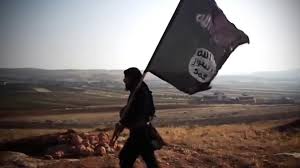
Laruelle: The argument Islamists are making is that government regimes are corrupt and unjust because they’re secular

  • February 4, 2015
  • PONARS Eurasia
View
Next Article
  • In the News | Hовости

Россия пытается переиграть итоги «холодной войны»

  • February 4, 2015
  • Ivan Kurilla
View
You May Also Like
View
  • In the News | Hовости

Вся политика инвестирована в одно-единственное тело

  • Sergei Medvedev
  • August 21, 2020
View
  • In the News | Hовости

Лукашенко отказался уходить и пообещал новую Конституцию вместо выборов

  • Arkady Moshes
  • August 18, 2020
View
  • In the News | Hовости

Кроме науки, он ничем не интересовался: В Минске задержали ученого, изучающего протесты

  • PONARS Eurasia
  • August 13, 2020
View
  • In the News | Hовости

Кимберли Мартен: Действенный шаг Вашингтона против «повара Кремля»

  • Kimberly Marten
  • July 23, 2020
View
  • In the News | Hовости

Laruelle “breaks down Russian nationalism”

  • PONARS Eurasia
  • June 15, 2020
View
  • In the News | Hовости

Война или переговоры: чем закончится конфликт между Ираном и США

  • Mikhail Troitskiy
  • June 27, 2019
View
  • In the News | Hовости

Первый тайм отыгран

  • Konstantin Sonin
  • April 1, 2019
View
  • In the News | Hовости

Только просветительством это не лечится

  • Ivan Kurilla
  • February 5, 2019

Leave a Reply Cancel reply

Your email address will not be published. Required fields are marked *

PONARS Eurasia
  • About Us
  • Membership
  • Policy Memos
  • Recommended
  • Events
Powered by narva.io

Permissions & Citation Guidelines

Input your search keywords and press Enter.