PONARS Eurasia
  • About Us
    • Contact Us!
    • Membership
      • All Members
      • Core Members
      • Collegium Members
      • Associate Members
      • About Membership
    • Our Ukraine Experts
    • Executive Committee
  • Our Ukraine Experts
  • Policy Memos
    • List of Policy Memos
    • PONARS Eurasia’s Newest eBooks
    • Submissions
  • Online Academy
  • Events
    • Past Events
  • Recommended
  • Task Forces
    • Ukraine
      • PONARS Ukraine Task Force: Incontrovertible Truths
    • Amplifying Voices of Europe, the Caucasus, and Central Asia (AVECCA)
    • Russia in a Changing Climate
  • Podcasts
Contacts

Address
1957 E St NW,
Washington, DC 20052

[email protected]
202.994.5915

NEWSLETTER
Facebook
Twitter
YouTube
Podcast
PONARS Eurasia
PONARS Eurasia
  • About Us
    • Contact Us!
    • Membership
      • All Members
      • Core Members
      • Collegium Members
      • Associate Members
      • About Membership
    • Our Ukraine Experts
    • Executive Committee
  • Our Ukraine Experts
  • Policy Memos
    • List of Policy Memos
    • PONARS Eurasia’s Newest eBooks
    • Submissions
  • Online Academy
  • Events
    • Past Events
  • Recommended
  • Task Forces
    • Ukraine
      • PONARS Ukraine Task Force: Incontrovertible Truths
    • Amplifying Voices of Europe, the Caucasus, and Central Asia (AVECCA)
    • Russia in a Changing Climate
  • Podcasts
DIGITAL RESOURCES
digital resources

Bookstore 📚

Knowledge Hub

Course Syllabi

Point & Counterpoint

Policy Perspectives

RECOMMENDED
  • Misconceptions about Eastern Europe, the Caucasus, and Central Asia and Their Impact on Policy

    View
  • Five Years into the War, Ukraine Is Showing Grittiness, Rebounding Confidence in War Fortunes

    View
  • Russia’s Wartime Internet: A Contested Space with the Regime Still Predominant

    View
  • Why Georgians Need to Take Hungarian Lessons

    View
  • The ‘Don’t Lose Lukashenko’ Approach: Kyiv’s (Non-) Strategic Ambiguity Toward the Belarusian Opposition

    View
RSS PONARS Eurasia Podcast
  • The Putin-Xi Summit: What's New In Their Joint Communique ? February 23, 2022
    In this week’s PONARS Eurasia Podcast, Maria Lipman speaks with Russian China experts Vita Spivak and Alexander Gabuev about the February meeting between Vladimir Putin and Xi Jinping, and what it may tell us about where the Russian-Chinese relationship is headed.
  • Exploring the Russian Courts' Ruling to Liquidate the Memorial Society January 28, 2022
    In this week’s PONARS Eurasia Podcast, Maria Lipman chats with scholars Kelly Smith and Benjamin Nathans about the history, achievements, and impending shutdown of the Memorial Society, Russia's oldest and most venerable civic organization, and what its imminent liquidation portends for the Russian civil society.
  • Russia's 2021 census and the Kremlin's nationalities policy [Lipman Series 2021] December 9, 2021
    In this week’s PONARS Eurasia Podcast, Maria Lipman chats with social scientist Andrey Shcherbak about the quality of the data collected in the recent population census and the goals of Vladimir Putin's government's nationalities policy
  • Active citizens of any kind are under threat [Lipman Series 2021] November 5, 2021
    In this week’s PONARS Eurasia Podcast, Maria Lipman chats with Alexander Verkhovsky about the Kremlin's ever expanding toolkit against political and civic activists, journalists, and other dissidents.
  • Russia's Legislative Elections followup [Lipman Series 2021] October 4, 2021
    In this week’s PONARS Eurasia Podcast, Maria Lipman chats with Tanya Lokot and Nikolay Petrov about the results of Russia’s legislative elections and about what comes next.
  • Why Is the Kremlin Nervous? [Lipman Series 2021] September 14, 2021
    In this week’s PONARS Eurasia Podcast, Maria Lipman chats with Ben Noble and Nikolay Petrov about Russia’s September 17-19 legislative elections, repressive measures against electoral challengers, and whether to expect anything other than preordained results.
  • Vaccine Hesitancy in Russia, France, and the United States [Lipman Series 2021] August 31, 2021
    In this week's PONARS Eurasia Podcast episode, Maria Lipman chats with Denis Volkov, Naira Davlashyan, and Peter Slevin about why COVID-19 vaccination rates are still so low across the globe, comparing vaccine hesitant constituencies across Russia, France, and the United States.  
  • Is Russia Becoming More Soviet? [Lipman Series 2021] July 26, 2021
      In a new PONARS Eurasia Podcast episode, Maria Lipman chats with Maxim Trudolyubov about the current tightening of the Russian political sphere, asking whether or not it’s helpful to draw comparisons to the late Soviet period.
  • The Evolution of Russia's Political Regime [Lipman Series 2021] June 21, 2021
    In this week's episode of the PONARS Eurasia Podcast, Maria Lipman chats with Grigory Golosov and Henry Hale about the evolution of Russia's political regime, and what to expect in the lead-up to September's Duma elections.
  • Volodymyr Zelensky: Year Two [Lipman Series 2021] May 24, 2021
    In this week's episode of the PONARS Eurasia Podcast, Maria Lipman chats with Sergiy Kudelia and Georgiy Kasianov about Ukrainian President Zelensky's second year in office, and how he has handled the political turbulence of the past year.
  • Commentary | Комментарии

Спасибо Тома Пикетти

  • August 31, 2017
  • Konstantin Sonin

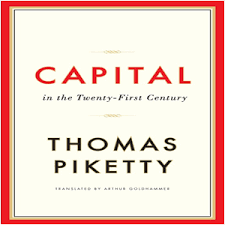
Новое исследование об эволюции неравенства в России. Экономист Тома Пикетти из Парижской школы экономики, прославившийся на весь мир недавней книгой «Капитал в XXI веке», написал статью об имущественном неравенстве в России. Вместе со своими соавторами, Филиппом Новокметом из того же вуза и Габриэлем Зукманом из Беркли, он использует все мыслимые систематические данные – национальные счета, результаты опросов о состоянии доходов и имущества, налоговые данные, чтобы оценить имущественное расслоение и его эволюцию в последние тридцать лет и, в итоге, поставить в исторический и международный контекст. Это – первая работа экономистов о российском неравенстве, использующая современные методы работы с данными.

Часть результатов вполне ожидаема: то, что 1% россиян получает примерно 20-25% национального дохода, было известно и из более грубых, опирающихся только на данные о владении крупными предприятиями, оценок. Другие результаты, скорее, неожиданны: по оценке Пикетти и его соавторов, зарубежные активы россиян примерно равны по размеру всем финансовым активом, которые находятся внутри страны и в три раза превосходят международные резервы. (Чтобы получить эту оценку, нужно сопоставлять налоговые и имущественные данные с макроэкономическими данными – например, «оттоком капитала».)

Выложенный в июле вариант статьи будет ещё дорабатываться. Чего стоит название, совсем неудачное: «От Советов до олигархов: неравенство в России с 1905 по 2016 год». Да и упоминание про стагнацию российской экономики на фоне западно-европейских в конце XIX века во введении – следствие неаккуратности. Однако теперь есть материал, на который могут опираться исследователи имущественного неравенства и расслоения в России – самой, возможно, острой из «вечных» экономических проблемы нашей страны. И в исторической перспективе, и в сравнительной неравенство в России очень велико: из опыта других стран хорошо известно, что такое неравенство является проблемой для экономического развития. (Например, потому что не даёт талантливым, но бедным гражданам, полноценно развиваться и строить бизнес или потому, что приводит, через политическую систему, к попыткам насильственного уравнительного перераспределения.)

Без таких исследований, дающих содержательную и мощную эмпирическую базу, невозможно ни обсуждать пройденный путь (правда ли, что реформы 1990-х могли пойти по-другому?), ни предлагать реформы на будущее (может ли многократное повышение минимальной зарплаты улучшить экономическое положение?). Знаменитая книга Пикетти «Капитал в ХХI веке» вызвала интерес широкой общественности благодаря спорным, но ярким предложениям (глобальный налог на богатство!), но основную ценность в ней составляют куда более скучные, но и куда более информативные оценки имущественного неравенства и его эволюции в ХХ веке. Надо надеяться, что статья Пикетти и соавторов про Россию, с данными, доступными для всех желающих и подробным объяснением методологии, станет таким же поводом для содержательных дискуссий, как стала книга Пикетти про неравенство в мире.
Читать статью | © Ведомости

Related Topics
  • Россия
  • Сонин
  • экономика
Previous Article
  • Recommended | Рекомендуем

The most significant political science studies on Russia in 2015-2017

  • August 30, 2017
  • PONARS Eurasia
View
Next Article
  • Commentary | Комментарии

Три года Минского процесса. Чего достигла Украина?

  • September 1, 2017
  • Olexiy Haran
View
You May Also Like
View
  • Commentary | Комментарии
  • Recommended | Рекомендуем

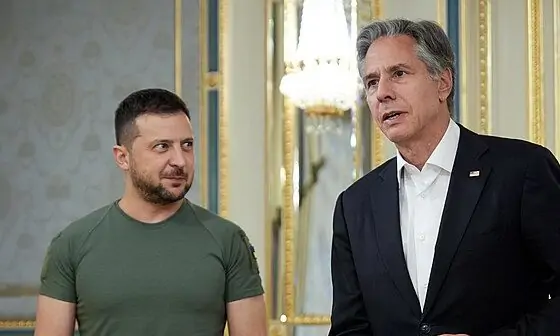
Clearing the Air: Secretary Blinken Visits Ukraine

  • Volodymyr Dubovyk
  • September 19, 2023
View
  • Commentary | Комментарии
  • Recommended | Рекомендуем

Ensuring Genuine Results? A New Electoral Design in Uzbekistan

  • Akrom Avezov
  • May 19, 2023
View
  • Commentary | Комментарии
  • Recommended | Рекомендуем

Ukraine, Taiwan, and Macron’s “Strategic Autonomy”

  • Maurizio Delli Santi
  • April 30, 2023
View
  • Commentary | Комментарии
  • Recommended | Рекомендуем

Russia’s Regional Governors: Backing the War, Upholding the Status Quo

  • Irina Busygina and Mikhail Filippov
  • April 7, 2023
View
  • Commentary | Комментарии
  • Recommended | Рекомендуем

The Desire to Possess: Russia’s War for Territory

  • Irina Busygina
  • February 8, 2023
View
  • Commentary | Комментарии
  • Recommended | Рекомендуем

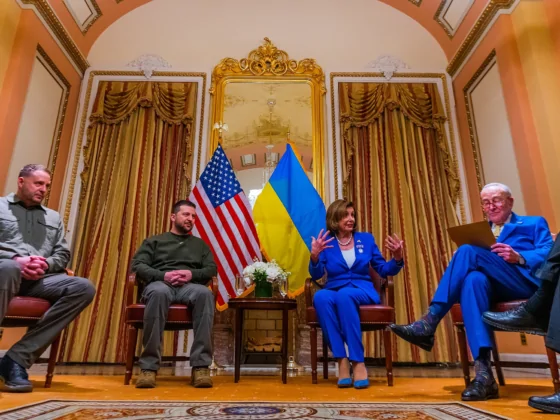
Kyiv-Washington Relations in Times of Colossal War: The Ultimate Test of a Strategic Partnership

  • Volodymyr Dubovyk
  • January 11, 2023
View
  • Commentary | Комментарии
  • Recommended | Рекомендуем

Prevailing Soviet Legacies

  • Irina Busygina and Mikhail Filippov
  • December 27, 2022
View
  • Commentary | Комментарии
  • Recommended | Рекомендуем

In Russia’s Nuclear Messaging to West and Ukraine, Putin Plays Both Bad and Good Cop

  • Simon Saradzhyan
  • December 23, 2022

Leave a Reply Cancel reply

Your email address will not be published. Required fields are marked *

PONARS Eurasia
  • About Us
  • Membership
  • Policy Memos
  • Recommended
  • Events
Powered by narva.io

Permissions & Citation Guidelines

Input your search keywords and press Enter.